Nexans’ Largest DEH Project to Date for Shah Deniz Field
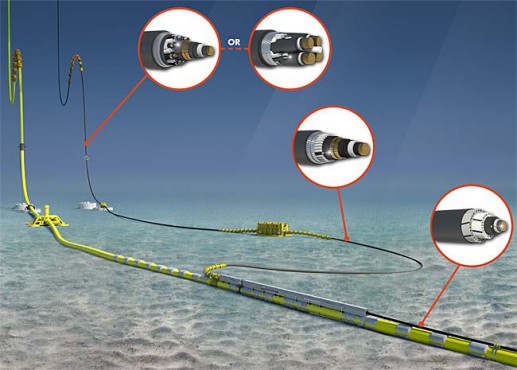
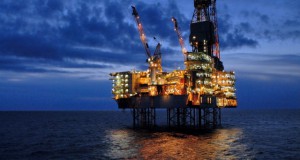
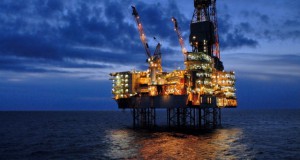
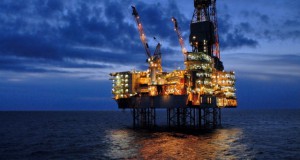
Nexans’ Direct Electrical Heating (DEH) cable systems will be installed to help in maintaining the reliable flow of products from the Shah Deniz field, located in the Azerbaijan sector of the Caspian Sea.
The world’s largest DEH project to date will see Nexans deliver a total of 130 km of the cable system to provide flow assurance for 10 subsea flow lines. The contract is worth approx 100 million Euro.
The DEH systems, including riser cables, piggy back cables and accessories, will be designed, engineered and manufactured at Nexans’ specialized subsea cable and umbilicals facility in Halden, Norway. They include a modern integrated protection system (IPS) to protect the sophisticated piggy back cables against damage after installation on the sea floor.
First delivery of the system will take place in July 2014. The second will take place in June 2016.
“This contract forms part of the 10-year frame agreement Nexans concluded with BP to supply umbilical cables, DEH systems, accessories and services for various deep-water oil and gas projects across the globe,” says Krister Granlie, Vice President, Hybrid Underwater Cables Division, Nexans Norway. “It represents further recognition of the key role that our state-of-the-art DEH technology can play in providing reliable and environmentally friendly flow assurance. We have already performed several pre-studies in cooperation with BP regarding the application of DEH systems across the Shah Deniz field.”
Direct electrical heating (DEH)
DEH is a technology for flow assurance, developed to safeguard the wellstream flow through the pipeline to the platform. Alternating current (AC) transmitted from the DEH cable runs through the steel in the pipe, which heats up due to its own electrical resistance. This allows the pipeline to be operated in a cost efficient and environmentally safe manner.
By controlling the current, the pipeline inner wall can at all times be maintained above the critical temperature for wax and hydrate formation. As a result, problem free and reliable transportation is achieved. Traditional methods for flow assurance, by the use of chemical treatments and pressure evacuations, have considerable operational costs with long down times and may present a risk to the environment.
Press Release, March 27, 2014; Image: Nexans