Divers Start NUNALIVUT 2014 Operation in Arctic
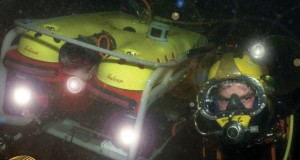
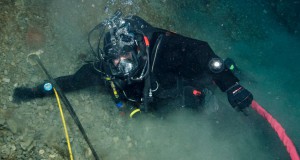
 Clearance divers from Fleet Diving Unit (A), Halifax and Combat Divers from 2nd Division 5 Combat Engineer Regiment, CFB Valcartier conduct ice diving operations at the Combined Dive Team camp in Gascoyne Inlet, Nunavut. Photo Master Seaman Pete
The Combined Dive Team, made up of 18 members from the Fleet Diving Unit (FDU-A) Atlantic and four Combat divers from 5 Canadian Mechanized Brigade Group have “broken the ice” in Gascoyne Inlet, Nunavut as part of Operation NUNALIVUT 2014.
“A considerable amount of planning has gone into this operation, we have brought in everything necessary to ice dive for a protracted period of time, including a recompression chamber. It’s great to see dive operations progressing in such a positive manner with consolidated teamwork and effort,” says Chief Petty Officer Second Class Larry Lyver, FDU(A).
One of the main challenges to diving in Arctic water is dealing with the logistics of transporting the equipment needed to an austere site. Also, weather is often very unpredictable, which can cause transport plans to change on a moment’s notice. The thickness of the sea ice is also a factor; the team had to cut through five feet of ice to access the water. The CC-187 Globemaster III Strategic Airlift used to move troops from their home base to the area, combined with the flexibility of the ski-equipped Twin Otters from Yellowknife-based, 440 (Transport) Squadron were key enablers for the Combined Dive Team.
“I’m personally very excited to have the Combined Dive Team operating out of Gascoyne Inlet. The training they are doing right now allows not only for the Clearance and Combat divers to share best-practices in diving, but also for Joint Task Force (North) to continue to grow and shape Operation NUNALIVUT to best fit the operational objectives of the Canadian Armed Forces,” said Lieutenant-Colonel John St. Dennis, Task Force NUNALIVUT Commanding Officer.
Operation NUNALIVUT will run the entire month of April. The Combined Dive Team will continue to conduct operations until the 21st of April and will transition into preparing to return to their respective home units at the end of the month.
Press Release, April 18, 2014; Image: Royal Canadian Navy