DNV GL Issues Guide for Subsea Integrity Management
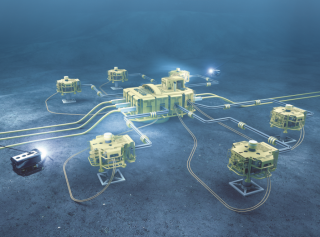
Hot on the heels of a new Recommended Practice (RP) for subsea lifting, DNV GL has now published an RP providing guidance on how to establish, implement and maintain an integrity management system (IMS).
The aim is to help operators carry out maintenance activities at the most cost effective intervals, increase confidence in the condition of the subsea equipment and ensure an unified and reliable reference for both authorities and the industry.
The need to manage the integrity of subsea production systems, including those being operated beyond the original design life, is becoming more significant and technically challenging as maintenance demands increase and the industry as a whole looks to drive down costs. “In many cases, offshore infrastructure and facilties are operating way beyond their original design life,” says Bente Helen Leinum, DNV GL business development leader subsea.
The RP (DNV GL-RP-0002 ‘Management of Subsea Production Systems) is the result of a two year joint industry project (JIP) involving DONG Energy , FMC Technologies, GDF Suez, Norske Shell, Statoil, Talisman, Petroleum Safety Authority and Norwegian Oil and Gas. The JIP work explored the typical failures of existing subsea equipment and how the integrity of subsea equipment could be controlled.
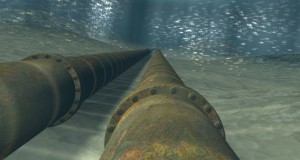
Failures in subsea production systems can for example arise from inadequate design, manufacturing and installation. In operation, material degradation as well as structural threats, natural hazard and operational threats, might cause failure of the system. Information management and documentation is a particular challenge and organisational interfaces can also impede clear communication and exchange of operational data across operators’ organisations.
“Integrity management is not only a matter of operational control on a daily basis, it should start from the outset of the design phase and continue through the entire life span of the system,” says Leinum. “The RP outlines a step-by-step guideline for how to assess and manage integrity of subsea facilities, and aims to provide a reliable point of reference for both industry and authorities, helping to raise the standard within subsea integrity management.”
Elisabeth Tørstad, CEO of DNV GL Oil & Gas, says: “The subsea industry is challenged by high cost levels and complexity. We have completed a number of Joint Industry Projects in collaboration with subsea players resulting in openly accessible guidance for the industry. These projects are a highly effective way of addressing pressing industry issues, resulting in improved quality, reduced costs and safe and efficient projects and operations.”