University of Exeter Supports Development of Wave Energy Industry
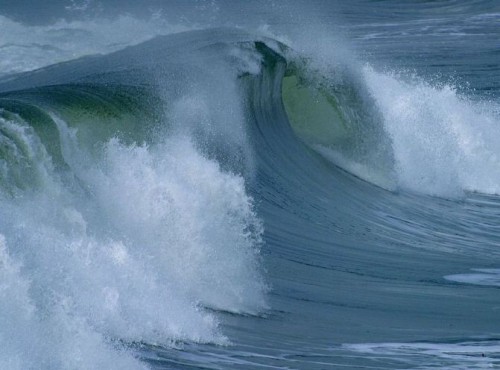
Scientists from the University of Exeter have studied how wave energy developers can more accurately measure, and predict the wave conditions within wave energy test sites.
The research deployed wave measurement buoys and used wave modelling to show how variations in wave size and strength could be resolved.
The results should aid developers to better predict sea conditions within wave energy test sites, which is the crucial factor governing how much energy can be produced.
This latest study is part of ongoing research by the University and key partners into waves as a renewable energy source. With ongoing support from the Regional Growth Fund, these methods are now being applied to the Wave Hub and FabTest energy test sites in Cornwall, to support industrial partners testing at these sites.
The research has been co-authored by Dr Ian Ashton and Dr Lars Johanning, both from the Renewable Energy department based at the University of Exeter’s Penryn Campus in Cornwall and was supported by the National Environmental Research Council (NERC) Flowbec project.
Dr Ashton said: “This research forms part of our work to support developers get the most out of the world class marine energy test facilities and measurement infrastructure that we have in Cornwall, and it is great to be able to support the development of this industry.”
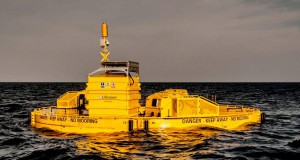
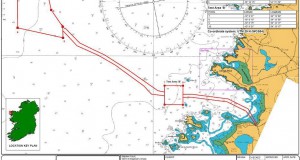
FaB Test is a pre-consented two square kilometre area situated within Falmouth harbour between three and five kilometres offshore in Falmouth Bay. The site offers wave energy device developers the opportunity to test components, concepts or full scale devices in a moderate wave climate with excellent access to nearby port infrastructure.

FaB Test’s pre-consented status which allows for up to three devices to be deployed concurrently aims to provide a fast, flexible low cost solution for the testing of wave energy technologies, components, moorings and deployment procedures.
The Site is leased from Crown Estates and has a Marine Consent for testing subject to permits issued by Falmouth Harbour Commissioners.
Falmouth, on the south coast of Cornwall, offers both extensive dock facilities incorporating three dry docks, wharf space, cranage and a heavy load out quay; and an experienced supply chain, with an impressive track record in delivering marine renewable projects.